

/


Etheria v0.9 is one of the first decentralized virtual worlds on the Ethereum blockchain, offering a platform where users can buy, build, and trade virtual land plots. Established in 2015, it predates the NFT boom and highlights the pioneering efforts in blockchain-based digital real estate, showcasing early applications of Web3 technology.
To use Etheria v0.9, users need to own Ethereum to purchase 33x33 hexagon plots of virtual land. These plots can be developed using tiles within a crafting-like system. Users can trade their plots, with all transactions being conducted in Ether, promoting decentralized ownership and a transparent management system.
Etheria v0.9 provides benefits such as decentralized ownership of virtual real estate, a transparent transaction history on the Ethereum blockchain, and a unique crafting system for plot development. It offers an autonomous gaming experience without centralized control, showcasing the potential of early Web3 innovation.
Unlike many modern virtual worlds, Etheria v0.9 predates NFTs and highlights early blockchain-based digital land management. It offers immutable land ownership records on the Ethereum blockchain, focusing on a decentralized and autonomous experience without relying on external NFT marketplaces.
Etheria v0.9 is relevant in today's NFT space as it represents a foundational project in blockchain-based digital real estate, illustrating the early adoption and potential of decentralized applications on Ethereum. It reflects the growth of Web3 and the evolution of virtual worlds and digital ownership.
If you're experiencing issues with Etheria v0.9 transactions, ensure your Ethereum wallet is properly connected and funded. Confirm your transactions on the Ethereum blockchain, and check for network congestion or gas fee status. For persistent issues, consult community forums or seek guidance from Etheria's user support channels.
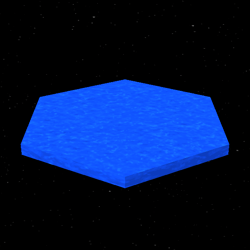
Early blockchain project with digital land ownership focus
Etheria v0.9 is one of the most historically significant projects within the NFT space and blockchain technology at large. Launched in October 2015, it stands as one of the earliest instances of using blockchain to enable decentralized land ownership and trading through non-fungible tokens. The project consists of 403 uniquely ownable digital tiles on the Ethereum blockchain, which form part of a metaverse-like environment where users can trade, develop, and interact within a decentralized framework. The inception of Etheria v0.9 significantly predated the widespread adoption of blockchain tools like Metamask, which revolutionized user interaction with decentralized applications. The smart contract architecture of Etheria consists of a 4-map multiverse, encapsulating multiple layers of interaction within its digital realm and showcasing an innovative use of Ethereum's robustness in supporting complex, stateful applications. This project laid foundational pieces for understanding how digital ownership can be structured in a blockchain context, introducing concepts that have proliferated into various modern metaverse initiatives. While the project does not contain integrated governan...
Etheria v0.9 is one of the most historically significant projects within the NFT space and blockchain technology at large. Launched in October 2015, it stands as one of the earliest instances of using blockchain to enable decentralized land ownership and trading through non-fungible tokens. The project consists of 403 uniquely ownable digital tiles on the Ethereum blockchain, which form part of a metaverse-like environment where users can trade, develop, and interact within a decentralized framework. The inception of Etheria v0.9 significantly predated the widespread adoption of blockchain tools like Metamask, which revolutionized user interaction with decentralized applications. The smart contract architecture of Etheria consists of a 4-map multiverse, encapsulating multiple layers of interaction within its digital realm and showcasing an innovative use of Ethereum's robustness in supporting complex, stateful applications. This project laid foundational pieces for understanding how digital ownership can be structured in a blockchain context, introducing concepts that have proliferated into various modern metaverse initiatives. While the project does not contain integrated governance or features commonly associated with DeFi, such as staking or cross-chain integrations, its value lies remarkably in its historical contribution and the uniqueness of its assets. These assets serve primarily as collectibles, secured by Ethereum's blockchain, with community-driven enhancements bolstering this recognition over time.
The technical underpinnings of Etheria v0.9 allowed it to serve as both a functional and conceptual precedent for newer blockchain-based metaverse and land ownership systems. Its multiverse arrangement on Ethereum smart contracts highlights the potential for NFTs to act as digital real estate, enabling a framework for future developments in the space. The project's emphasis on the blockchain’s provenance features safeguards digital ownership and propels Etheria v0.9 as a sought-after artifact for collectors interested in the early days of NFTs. Despite the lack of modern blockchain conveniences, such as native tokens for governance or external financial incentives, Etheria's position as a collector's item with a dedicated historical footnote offers enduring intrinsic value. The initiative exemplifies initial forays into decentralized worlds, presenting a simpler, yet impactful narrative on blockchain's capabilities in virtual environments. These characteristics not only enhance Etheria's standing as a collectible but reinforce its role in facilitating early explorations into blockchain-powered virtual worlds.


