

/


ChainFaces Arena is a distinctive project that combines digital art, gaming, and blockchain technology. It features procedurally generated, pixelated faces on the Ethereum blockchain, which serve as unique NFTs. These digital art pieces can participate in arena battles, merging the realms of creativity and competition within the blockchain ecosystem.
ChainFaces are NFTs using the ERC-721 standard, which means they are individually unique digital assets on the Ethereum blockchain. They can be owned, traded, and utilized in the ChainFaces Arena for battles, offering a gamified experience while ensuring verifiable ownership and easy trading through the decentralized network.
Participating in ChainFaces Arena allows users to own unique digital art that doubles as a gaming token. The integration of art and gaming provides a novel experience, where users engage in battles, earn rewards, and explore the competitive aspect of NFTs, enhancing the enjoyment of digital asset ownership in the web3 landscape.
Unlike many NFT collections focused solely on digital art, ChainFaces Arena incorporates a gaming element. This gamification offers additional interactive value, allowing users not only to collect and trade but also to engage in arena battles. This unique combination differentiates it from traditional NFT collections, offering both a creative and competitive experience.
Trading ChainFaces NFTs is facilitated through the Ethereum blockchain using the ERC-721 standard. Users can trade these NFTs on compatible marketplaces, ensuring secure and verifiable transactions. The decentralized nature of Ethereum's network supports seamless trading and ownership verification, making it user-friendly and efficient.
If users encounter issues within ChainFaces Arena, such as transaction failures or verification problems, they should first ensure that their Ethereum wallet is properly connected and has sufficient funds for gas fees. Users can also refer to community forums or the project's support for specific guidance and updates, as many operational challenges are addressed by common solutions within the blockchain ecosystem.
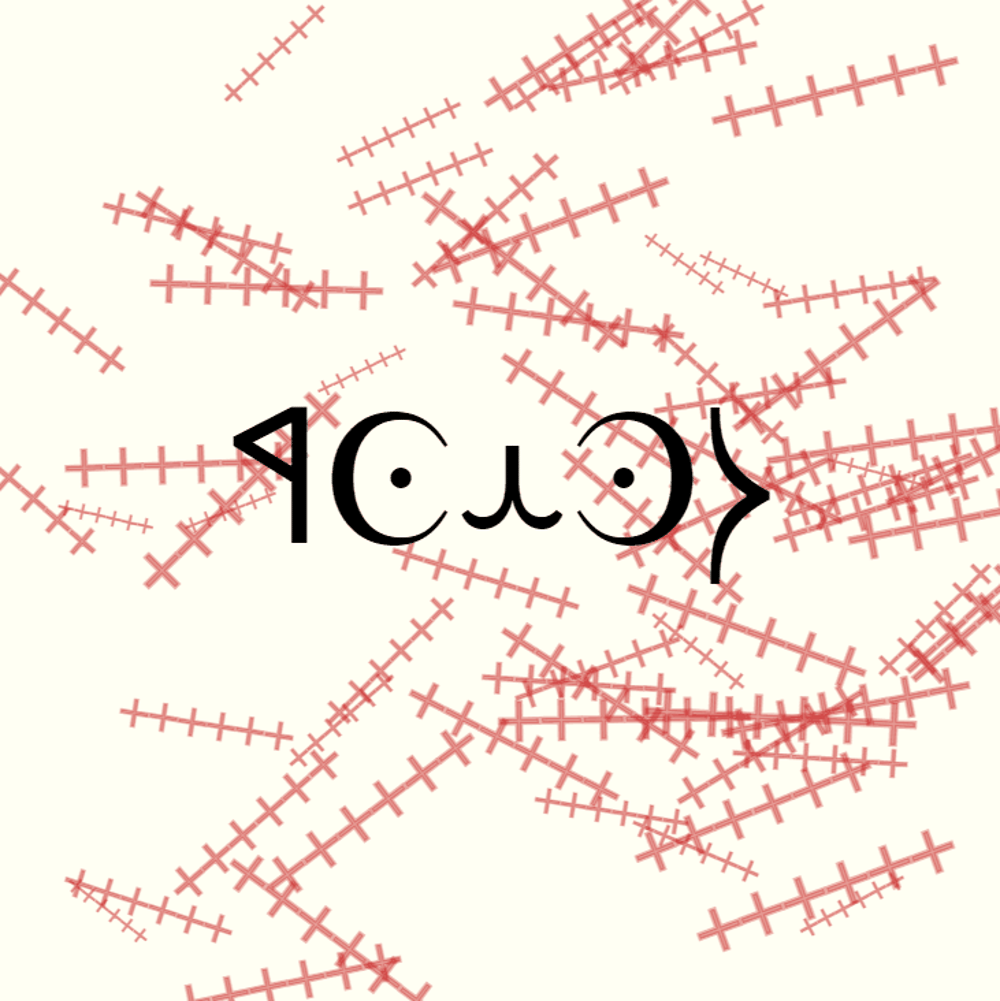
A blockchain-based NFT game featuring on-chain dynamics.
ChainFaces Arena builds on Ethereum's capabilities by merging art and gaming into a completely on-chain project. Launched as a novel evolution from the original ChainFaces ASCII art NFTs, it functions as a strategic survival game where players engage by minting and managing NFT faces as their characters. Players must navigate the competitive landscape of the Arena, a tournament space where NFTs can be eliminated based on smart contract rules, ensuring that every participant operates under the same immutable framework. This complexity offers both risks and rewards, manifest in its elimination mechanics, which combines elements of strategy and randomness. The project does not utilize conventional gaming animations, relying instead on the blockchain as its canvas, thus serving not only as a game but as a testimony to what blockchain technology can achieve in the realm of programmable art and gamified digital ownership.
Technical execution of the game is intricately laid through smart contracts that govern the rules and ensure transparent, fair play. These rules are hardcoded during contract deployment, highlighting a trustless operational environment where decentralized verification...
ChainFaces Arena builds on Ethereum's capabilities by merging art and gaming into a completely on-chain project. Launched as a novel evolution from the original ChainFaces ASCII art NFTs, it functions as a strategic survival game where players engage by minting and managing NFT faces as their characters. Players must navigate the competitive landscape of the Arena, a tournament space where NFTs can be eliminated based on smart contract rules, ensuring that every participant operates under the same immutable framework. This complexity offers both risks and rewards, manifest in its elimination mechanics, which combines elements of strategy and randomness. The project does not utilize conventional gaming animations, relying instead on the blockchain as its canvas, thus serving not only as a game but as a testimony to what blockchain technology can achieve in the realm of programmable art and gamified digital ownership.
Technical execution of the game is intricately laid through smart contracts that govern the rules and ensure transparent, fair play. These rules are hardcoded during contract deployment, highlighting a trustless operational environment where decentralized verification is key. By executing gameplay via blockchain transactions, ChainFaces Arena illustrates both the strong points and limitations of using the Ethereum blockchain in gaming, such as high gas fees and the scaling challenges of the network. There is no specific token other than the NFTs themselves, which form the foundation of game interaction and ownership within the community. The absence of a distinct governance token further implies that governance is executed implicitly through smart contracts and community engagement. Together, these facets of ChainFaces Arena cement its role as both a technical experiment and a creative foray into new frontiers of blockchain engagement, pushing the boundaries of what Ethereum and NFTs can evolve into.


